5 Myths About Entrepreneurship You Should Stop Believing
Jul 13, 2022Entrepreneurship is often misunderstood. These five myths distort expectations, weaken decision-making, and prevent capable builders from creating sustainable success.
Entrepreneurship continues to grow globally, attracting individuals who want more control over their work, income, and direction. For some, it represents independence. For others, it represents opportunity.
But alongside that growth comes misinformation.
Many people enter entrepreneurship with expectations shaped by hype, social media, or incomplete advice. These beliefs can create unnecessary pressure, poor decisions, and avoidable frustration.
If you want to build something sustainable, you need more than motivation. You need clarity.
Let’s correct five of the most common myths.
Myth #1: Entrepreneurs Must Always Be Working
There is a common belief that successful entrepreneurs are always “on”—constantly working, always moving, never slowing down.
This is not discipline. It is often mismanagement.
Sustainable performance requires rhythm, not constant motion. Strong operators know when to push and when to step back, evaluate, and refine.
Without that balance, burnout becomes likely—and burnout reduces clarity, decision quality, and execution.
Rest is not quitting. It is part of maintaining capacity.
Myth #2: Entrepreneurs Don’t Have a Boss
Entrepreneurship is often marketed as “being your own boss.” While technically true, it is incomplete.
In reality, entrepreneurs answer to:
- customers and clients
- market expectations
- financial realities
- partners and stakeholders (if applicable)
The difference is not the absence of accountability—it is the type of accountability.
You move from reporting to a manager to being responsible for results.
That requires higher standards, not fewer.
Myth #3: Entrepreneurship Is a Fast Path to Wealth
The idea of “quick success” in entrepreneurship is one of the most damaging misconceptions.
Building a business takes time. It requires:
- learning how the market actually responds
- refining your offer
- developing skills
- adjusting based on feedback and results
Most successful businesses are built through iteration, not instant success.
When expectations are unrealistic, frustration increases. When expectations are grounded, persistence becomes easier.
Entrepreneurship can create wealth—but it is built through structured effort over time.
Myth #4: You Must Risk Everything
Entrepreneurs are often described as risk-takers. That is true—but the best ones are calculated, not reckless.
Blind risk is not strategy. It is exposure.
Strong entrepreneurs:
- assess potential outcomes
- limit unnecessary downside
- test ideas before scaling
- adjust based on evidence
The goal is not to “risk everything.”
The goal is to make informed decisions where the potential upside justifies the risk taken.
Myth #5: You Need a Completely Original Idea
Many people hesitate to start because they believe their idea must be completely unique.
In reality, most successful businesses are not built on entirely new ideas. They are built on:
- better execution
- clearer positioning
- stronger delivery
- more consistent value
Markets are rarely empty. That is not a problem—it is validation.
The real question is not:
“Has this been done before?”
The better question is:
“Can I do this well, consistently, and in a way that creates value?”
The Real Requirement: Alignment
Most early struggles in entrepreneurship are not caused by lack of effort. They are caused by misalignment.
Misalignment between:
- what you want
- who you are
- what you are building
- how you are executing
When those elements are not aligned, progress feels inconsistent and results become unpredictable.
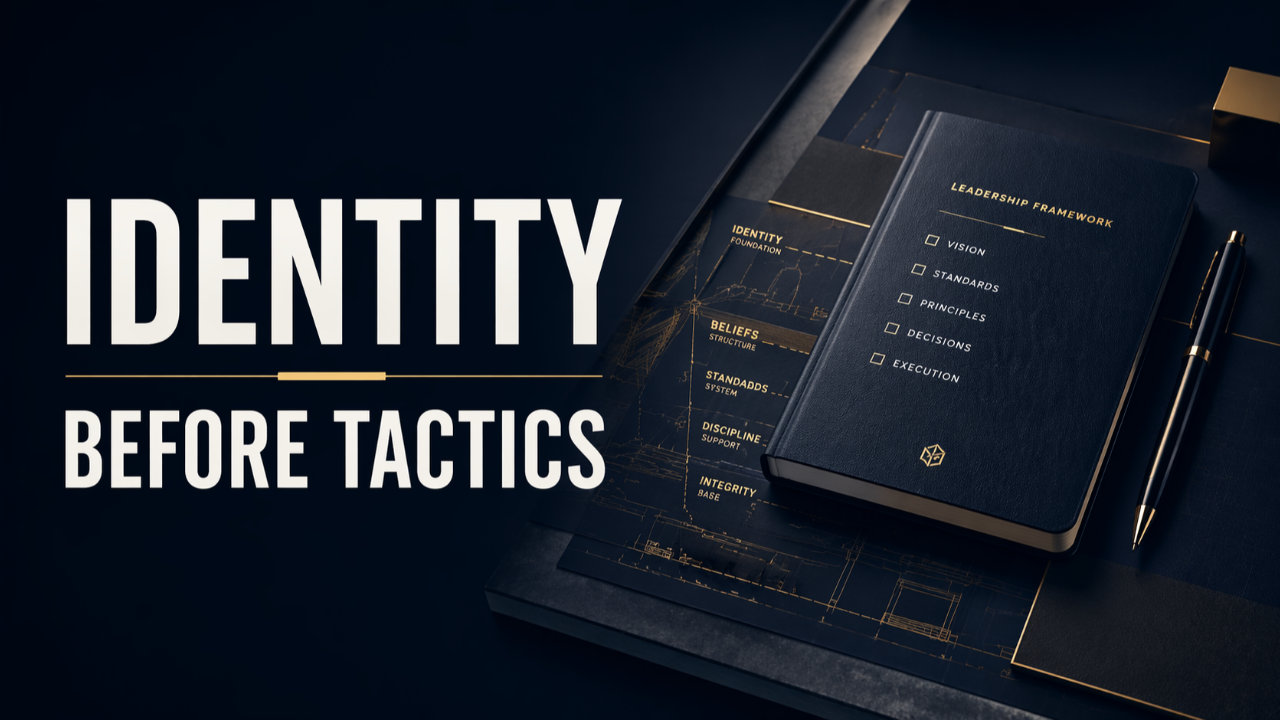
This is why entrepreneurship is not just a business decision—it is a leadership decision.
A Better Way to Approach Entrepreneurship
Instead of chasing myths, focus on a structured progression:
- Clarity — define what you want and why it matters
- Alignment — understand your strengths and direction
- Structure — build a plan that makes execution possible
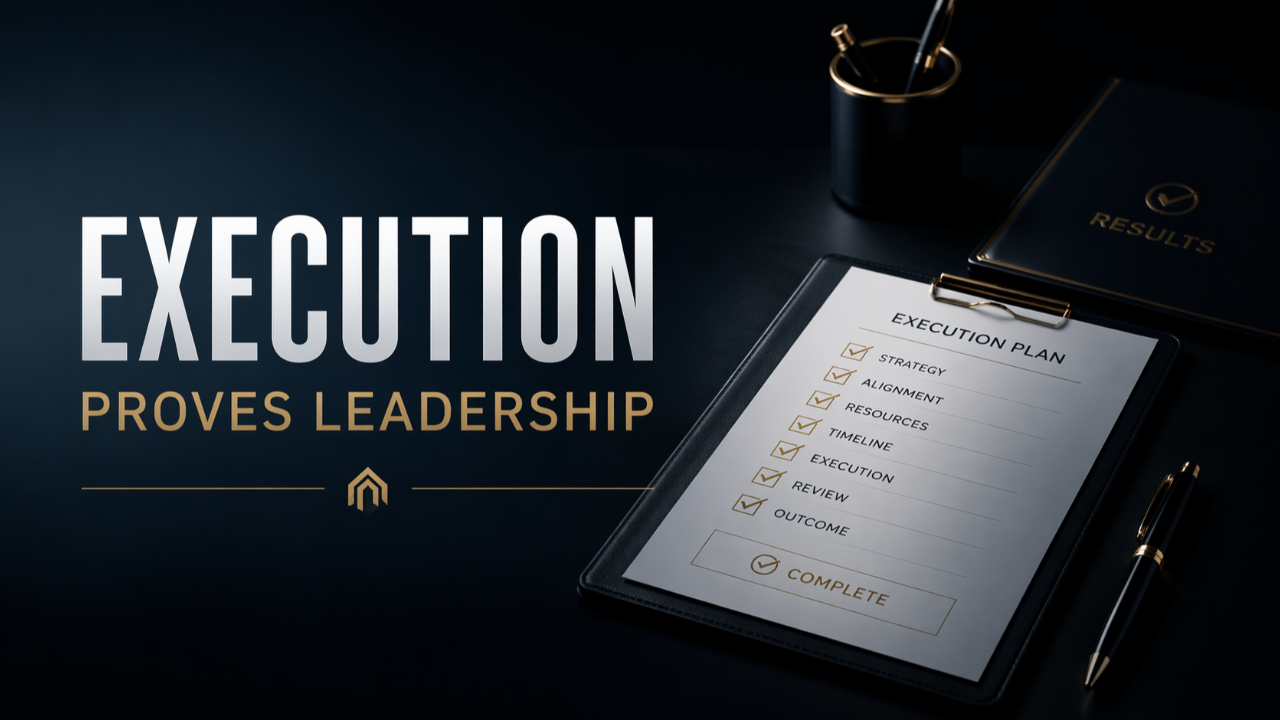
- Execution — act consistently and refine based on results
This is how businesses move from idea to reality.
The Powerhouse Framework
At Powerhouse Motivations, we organize this process into three phases:
Discovery — clarify what you want and understand yourself
Planning — build structure, direction, and strategy
Execution — act, refine, and scale with consistency
This sequence helps remove confusion and replaces it with structured progress.
Start With Clarity
If you’re serious about entrepreneurship, begin with the 9-Step Life Transformation System™ to clarify your direction and build with structure.
Need Help Refining Your Direction?
Schedule a Strategic Session to identify the gaps, clarify your business direction, and build a plan you can execute with confidence.
Entrepreneurship is not defined by hype or speed. It is defined by clarity, structure, and sustained execution.